

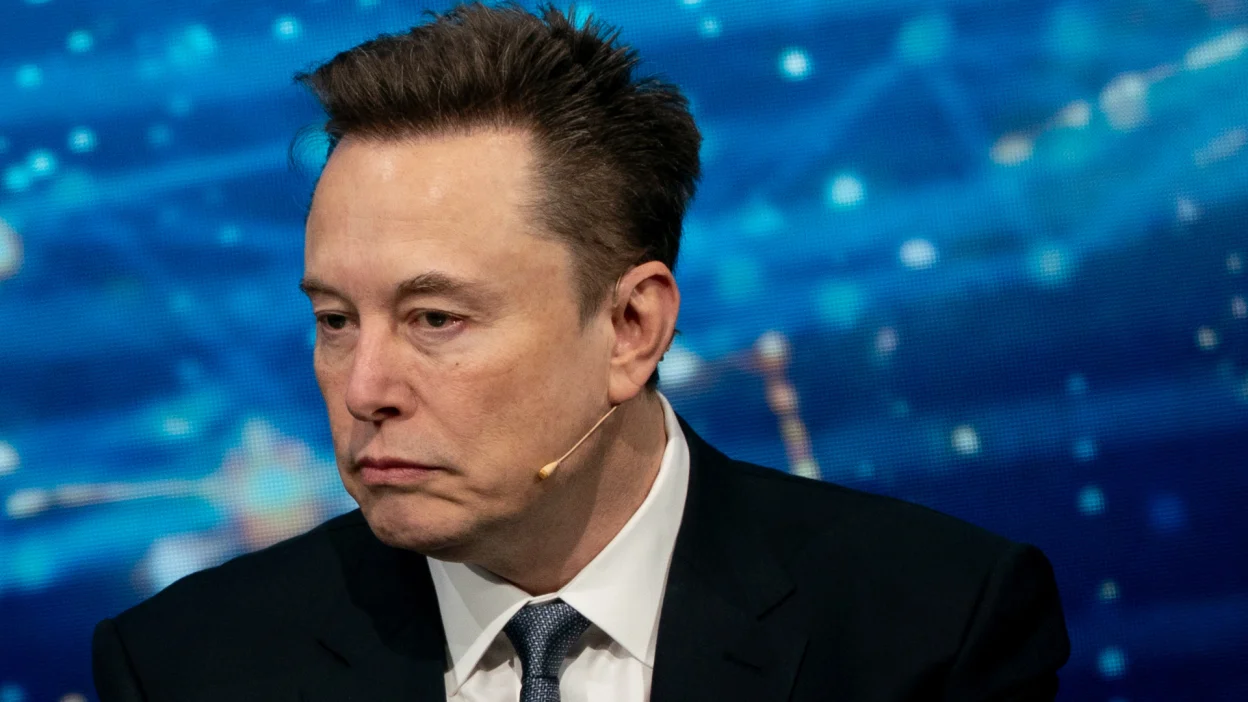
Elon Musk is known for his bold statements, unfiltered opinions, and ability to shape entire industries with a single tweet or interview. From electric vehicles to rockets and artificial intelligence, Musk has built a reputation as a visionary whose words often move markets. Recently, however, one of his remarks stood out for a different reason. Musk suggested that China seems to “listen to everything he says.” While the comment may sound half-joking, it reflects a deeper and more serious reality: China’s electric vehicle (EV) ecosystem is moving at extraordinary speed, and companies like BYD are no longer following Tesla’s lead they are surpassing it.
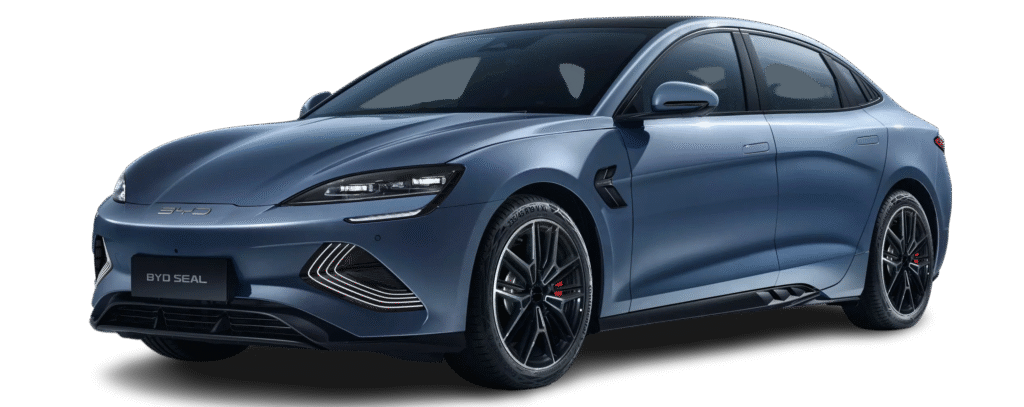
The moment BYD overtook Tesla in global EV sales was more than a headline. It marked a shift in power within the electric vehicle industry. For years, Tesla symbolized the future of clean transportation, innovation, and disruption. Today, BYD represents a different model of success — one built on scale, cost efficiency, vertical integration, and relentless execution.
Why Musk Feels China Is Always One Step Ahead
When Musk says China listens to everything he says, it can be interpreted less as paranoia and more as admiration mixed with concern. China’s industrial ecosystem is incredibly responsive. Policy makers, manufacturers, and suppliers operate in close alignment, enabling rapid adaptation to global trends and competitive signals.
Tesla’s early success helped popularize EVs worldwide. China learned from Tesla’s manufacturing techniques, battery strategies, and software-centric approach. But instead of simply copying, Chinese companies optimized. They built cheaper batteries, improved supply chain resilience, and focused on mass-market affordability rather than premium branding alone.
BYD, in particular, took a different path. While Tesla emphasized performance, autonomy, and futuristic design, BYD focused on practicality, price, and production volume. This strategy allowed BYD to dominate not just China, but also emerging markets where affordability matters more than acceleration times.
BYD’s Rise Is Not an Accident
BYD’s success is rooted in fundamentals. Unlike many automakers, BYD manufactures its own batteries, chips, and key components. This vertical integration shields it from supply chain disruptions and keeps costs low. When global chip shortages hurt traditional car manufacturers, BYD continued to grow.
Another critical factor is China’s domestic market. With millions of EV buyers and strong government support, Chinese companies benefit from scale that few global competitors can match. BYD sells vehicles across a wide range of price points, from budget city cars to premium electric sedans. Tesla, by contrast, remains relatively concentrated in fewer models and higher price segments
This difference matters. As EV adoption shifts from early adopters to mainstream consumers, affordability and availability become more important than brand prestige alone.
What This Means for Tesla and Musk
Tesla is far from finished. It remains a technology leader in software, autonomous driving research, and energy storage. Musk’s ability to inspire investors and engineers is still unmatched. However, the competitive landscape has changed. Tesla is no longer racing against slow-moving legacy automakers — it is competing with fast, agile, and highly efficient Chinese manufacturers.
Musk’s comment about China listening may also reflect the pressure of being constantly watched. Every pricing decision Tesla makes is quickly mirrored or undercut by Chinese competitors. Every innovation sparks a wave of local alternatives. In such an environment, maintaining a long-term advantage becomes increasingly difficult.
The Bigger Picture: A Shift in Global Innovation
The BYD-Tesla moment signals something larger than a single company overtaking another. It reflects a shift in where innovation, manufacturing power, and execution excellence are concentrated. For decades, Western companies led global automotive innovation. Today, China is proving it can not only catch up, but also lead.
This does not diminish Tesla’s achievements. Instead, it highlights how competitive the EV industry has become. The future will likely be shaped not by one dominant company, but by an ecosystem of players pushing each other forward at unprecedented speed.